1
1
 0
0
ANUSHKA BUTOLA (BAJMC 3rd sem)
Hygiene awareness in Govindpuri is an essential initiative aimed at addressing crucial aspects of personal health and sanitation. This campaign focuses on educating residents, especially children, about the importance of maintaining proper hygiene practices, such as sanitation, hand washing, and personal hygiene. In areas like Govindpuri, these aspects are often neglected due to limited resources and lack of awareness, resulting in serious health risks. The campaign addresses these concerns by focusing on key challenges faced by the community, including inadequate access to sanitation facilities, poor personal hygiene, and improper waste management practices. By directly engaging with children from slum areas, this initiative aims to instill the importance of hygiene at an early age, ensuring that good practices are carried on to future generations.
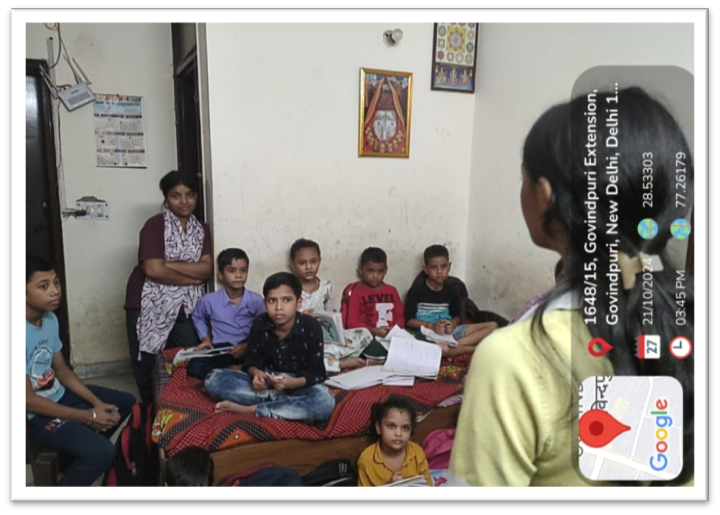
In Govindpuri, residents face several challenges related to hygiene. One of the most pressing issues is the lack of access to sanitation facilities, which leaves many people without proper means for managing waste. As a result, open defecation and improper waste disposal become common practices in the area, leading to the spread of diseases and other health hazards. In addition, many residents lack knowledge about proper hygiene practices, which contributes to the continued spread of infections and diseases. Poor personal hygiene, such as improper hand washing, is a widespread problem. Children, in particular, are vulnerable to the negative effects of these practices, as they are more likely to develop infections from contaminated water and unsanitary environments.
The main objective of the hygiene awareness campaign is to address these issues by educating children in slum areas on essential hygiene practices. During the campaign, we actively engaged with children, bringing them together to discuss various aspects of hygiene. These discussions covered topics such as proper hand washing techniques, the importance of clean drinking water, menstrual hygiene, and waste disposal systems. We sought to help children understand how their daily habits impact their health and the environment around them. By focusing on the younger generation, we hope to create long-term positive changes in hygiene practices within the community, empowering them to share their knowledge with their families.
One of the key aspects of the campaign was educating children about the correct way to wash their hands. Proper hand washing is one of the simplest and most effective ways to prevent the spread of diseases. However, many children in the slum areas were unaware of the correct techniques. We demonstrated the proper steps of hand washing, emphasizing the importance of washing hands with soap and water, especially after using the restroom, before eating, and after handling waste. By showing the children how to wash their hands thoroughly and for an adequate amount of time, we hoped to instill a habit that they would continue in their daily lives.
To further enhance the impact of the campaign, we distributed pamphlets containing important information about hygiene practices. These pamphlets served as a handy reference for the children and their families, providing simple, easy-to-understand guidelines on topics such as hand washing, the importance of clean drinking water, menstrual hygiene, and waste management. The pamphlets were designed to be visually appealing and easy to read, with illustrations that helped convey the messages effectively. By distributing these pamphlets, we ensured that the information was available to families long after the campaign, making it easier for them to follow the guidelines and implement hygiene practices in their daily routines.
The hygiene awareness campaign was conducted twice a week over the course of a month. This frequency allowed us to engage with a wide range of children and address various aspects of hygiene in a consistent and effective manner. Each session was designed to be interactive, with activities that helped reinforce the importance of hygiene. Through discussions, demonstrations, and practical exercises, the children were encouraged to actively participate and share their experiences. We also made use of visual aids and educational games to make the learning process enjoyable and memorable. The goal was not just to provide information but to engage the children in a way that would make them more likely to adopt good hygiene practices in their daily lives.
The ultimate aim of the campaign was to raise awareness about the importance of hygiene in everyday life. By focusing on the health and well-being of children, we hoped to make a lasting impact on the community as a whole. Good hygiene practices, such as washing hands regularly, using clean water, and managing waste properly, are essential for preventing diseases and improving overall health. Through this initiative, we hoped to foster a culture of hygiene in Govindpuri, where residents take responsibility for their health and the health of their community.
The campaign also aimed to create a sense of empowerment among the children. By educating them about the importance of hygiene, we gave them the tools to make healthier choices and take better care of themselves. As they continue to practice good hygiene habits, they can become role models for others in their community, helping to spread the message further. Ultimately, the success of this campaign will be measured not just by the number of children who participate, but by the lasting impact it has on the hygiene practices within Govindpuri. By instilling these habits in children at an early age, we are laying the foundation for a healthier and cleaner future for the entire community.