0
0
 0
0
Anjali Roy (BAJMC 3rd sem)
Water, often referred to as the essence of life, has been central to the development of civilizations and the sustenance of life since ancient times. It plays a vital role in shaping landscapes and fulfilling essential needs, such as quenching thirst. However, with the onset of industrialization, clean water suitable for human consumption has become increasingly rare. The mineral-rich variant, commonly known as ‘hard water,’ complicates daily life rather than simplifying it. Once an overlooked issue, hard water has become a growing concern, especially in fast-developing cities like Greater Noida.
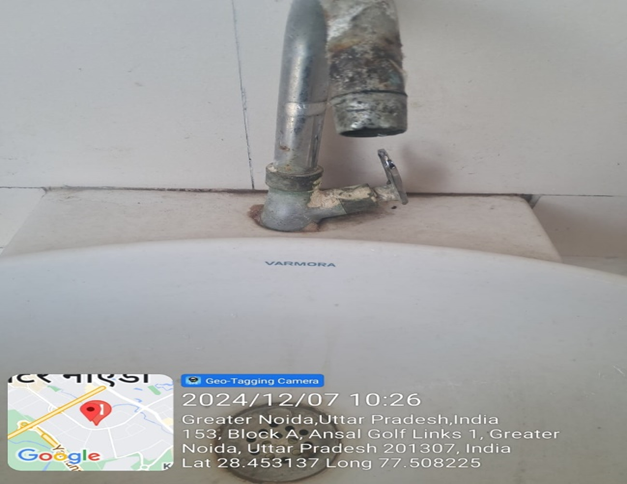
But what exactly is hard water, and how does it affect us? In simple terms, hard water contains higher concentrations of dissolved minerals, such as calcium and magnesium. While it may not directly harm human health, prolonged use can significantly affect skin, hair, household appliances, and plumbing systems.
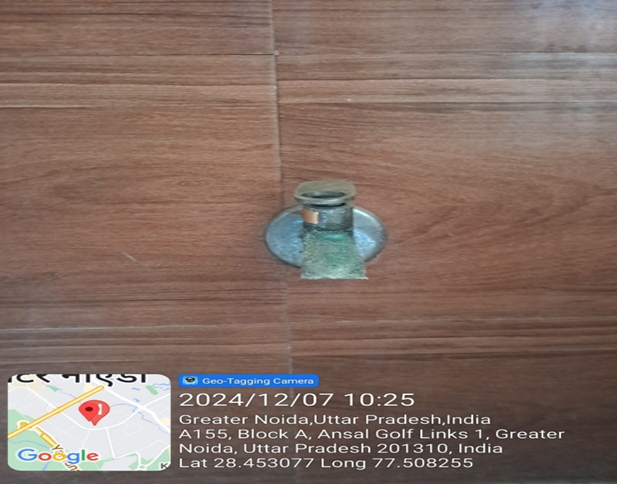
Students and working professionals who move to Greater Noida from different parts of India often notice a marked difference in the water’s composition, which can lead to various issues such as skin allergies, dryness, itching, redness, and hair problems like thinning, dryness, and hair loss. Arjun, a student, shared his experience of how hard water has been detrimental to his hair health, causing significant hair loss since he moved to the city. Similarly, Vaishali, a working professional from Jharkhand, mentioned that the hard water in Greater Noida has led to severe hair fall and skin dryness, noting that the water quality in her home state is quite different. Mrs. Rekha, a resident of Knowledge Park, highlighted how the poor water quality contributes to the constant rusting of taps, drains, and water systems. This issue is not limited to households; Mr. A. Ram Pandey, Dean of the Mass Communication Department at Galgotias University, revealed that rusting is also a problem on the university campus.
In terms of solutions, individuals can use water softening devices available in the market, and regular hair conditioning with sulphate-free shampoos can help manage the effects of hard water. Many shampoos contain sulphates, which exacerbate hair issues, making them sticky and difficult to manage. Installing Reverse Osmosis (RO) systems is another effective solution, but these options are often costly and not accessible to everyone.
While dealing with hard water may seem challenging, it doesn’t require drastic measures. With conscious effort, government authorities can play a pivotal role in ensuring access to clean, soft water for all, benefiting society as a whole.